
SoulFolks Saturday School Research Initiative
Today’s political climate requires us to study and build on Black radical resistance practices.
We are conducting a research study on the impact of freedom schools on Black high school students in Wisconsin.
Launching on Madison's South Side in the January 2027, The SoulFolks Saturday School will be a culturally grounded Saturday school for Black high school students in Madison, Wisconsin.
Housed within the Center for Black Excellence and Culture and run by The SoulFolk Collective and the SynCCC Action Research Collaborative, creators of the SoulFolk Saturday School will prioritize:
Education: lessons where Black history, literature, and art are the foundation.
Rapport: Students are free to express all facets and dynamisms of Black identity.
Free food: Families and community members are fed in abundance.
Health: All students have access to free mental and physical wellness services.
Organizing within the community: Teachers and students alike strategize and research for social action and change.
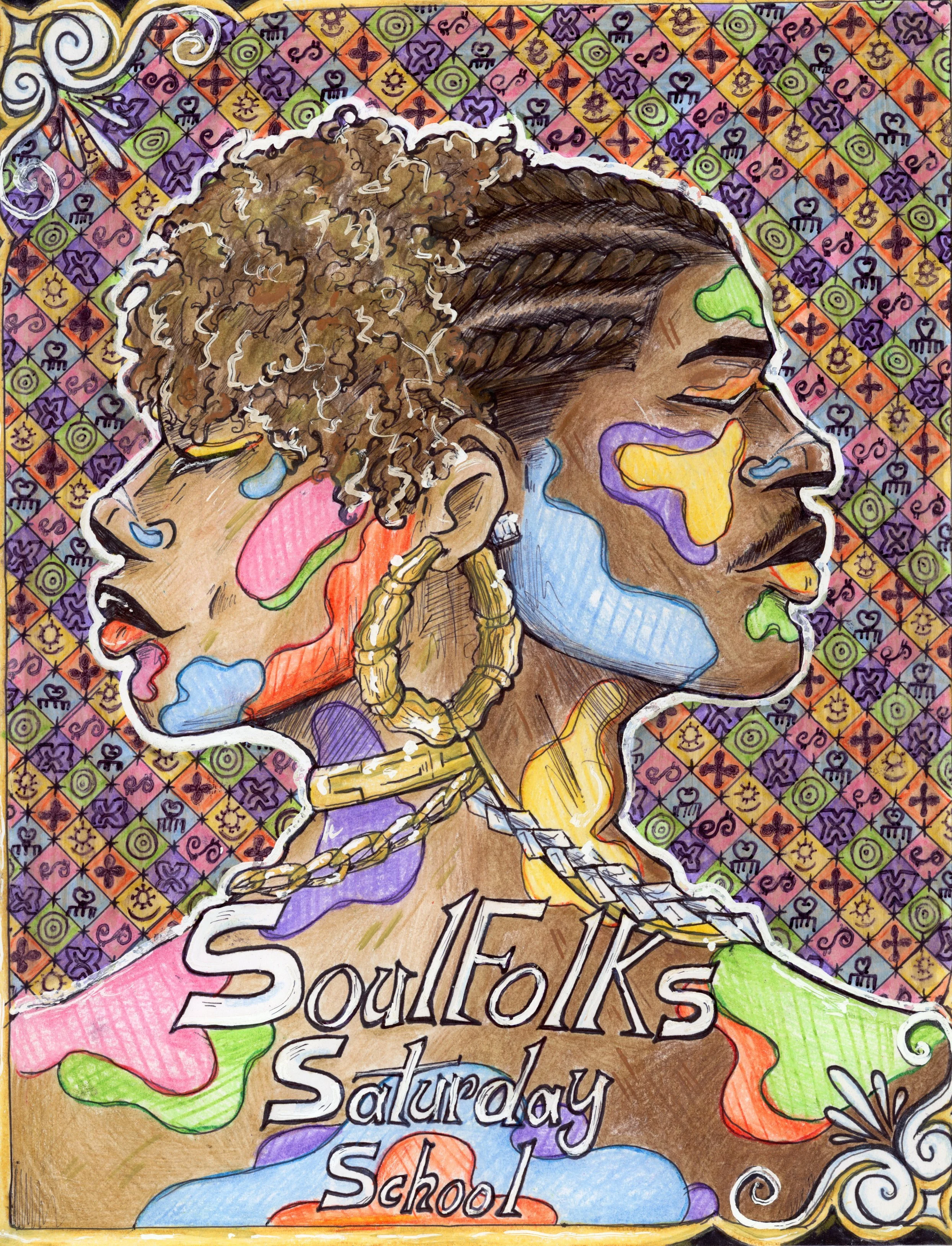
LaKayla Jackson, SoulFolks Saturday School, drawing, 2026
Inspired by historic Freedom Schools in the United States and Black Saturday Schools in the United Kingdom, The SoulFolk Saturday School supports Black Madison high school students to revolutionize their learning, ensuring that academic tutoring, advising, and coaching are accessible to all.
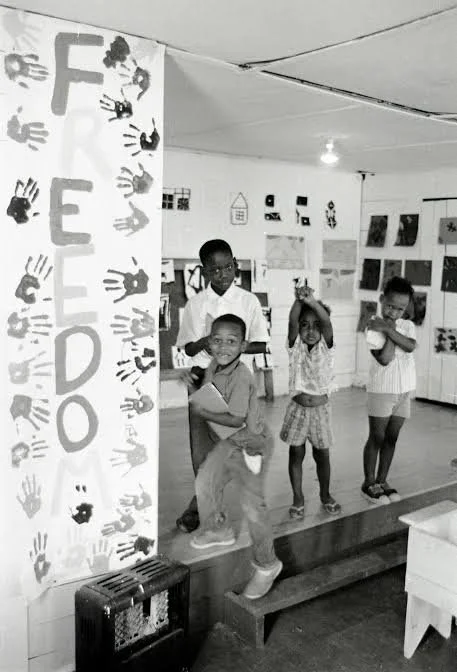
Children visiting exhibit of Freedom School students’ art work at the Palmers Crossing Community Center, Hattiesburg, Mississippi, 1964, Herbert Randall Freedom Summer Photographs, USM
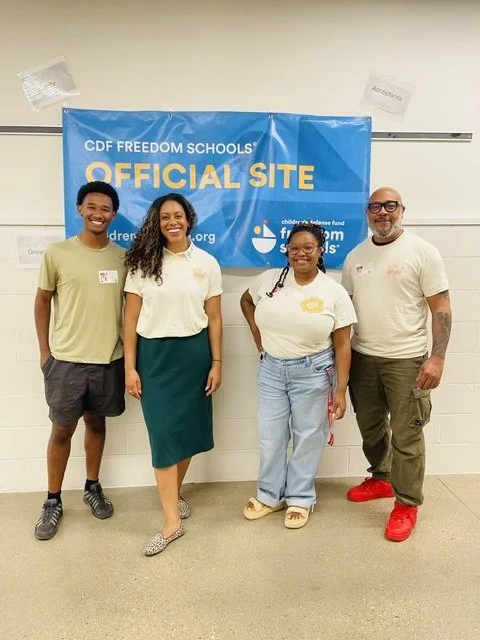
Khalab Blagburn, Jessica Lee Stovall, Naomi Mae, and John L. Samuels Jr. volunteer with CDF Freedom Schools, Summer 2026.

The SoulFolks Saturday School has been ideated and created by Dr. Jessica Lee Stovall with the support of the Department of African American Studies at UW–Madison and The SoulFolk Collective. Stovall taught public school for eleven years before completing her Ph.D. in Race, Inequality, and Language in Education and Curriculum Studies and Teacher Education from Stanford University. The recipient of the 2025 Black Teacher Archive Microgrant from Harvard Graduate School of Education and a subject in the 2018 documentary, America to Me, Stovall hopes The SoulFolks Saturday School will be a radical embodiment of using Black historical resistance strategies of the 1960s to meet the current moment.

Dr. Naomi Mae W. (she/her) is the P.I. of the Youth Participatory Action Project in The SoulFolks Saturday School and an Assistant Professor of Educational Policy Studies at the University of Wisconsin-Madison. As an activist and community organizer for over 15 years, Dr. Mae’s current work centers youth organizers of color as they build multiracial-multiethnic coalitions to actualize educational justice in under-resourced urban districts. In studying the ecology of youth organizing (including intergenerational CBOs, youth workers, community partnerships, etc.), Mae researches how the praxis of youth organizing can serve as an exemplar of meaningful critical civic education and engagement. She engages community-based research methods, action research, and critical ethnography while leveraging youth resistance and relational race theories to inform praxis and actualize greater justice and solidarity in collaboration with young people and communities.
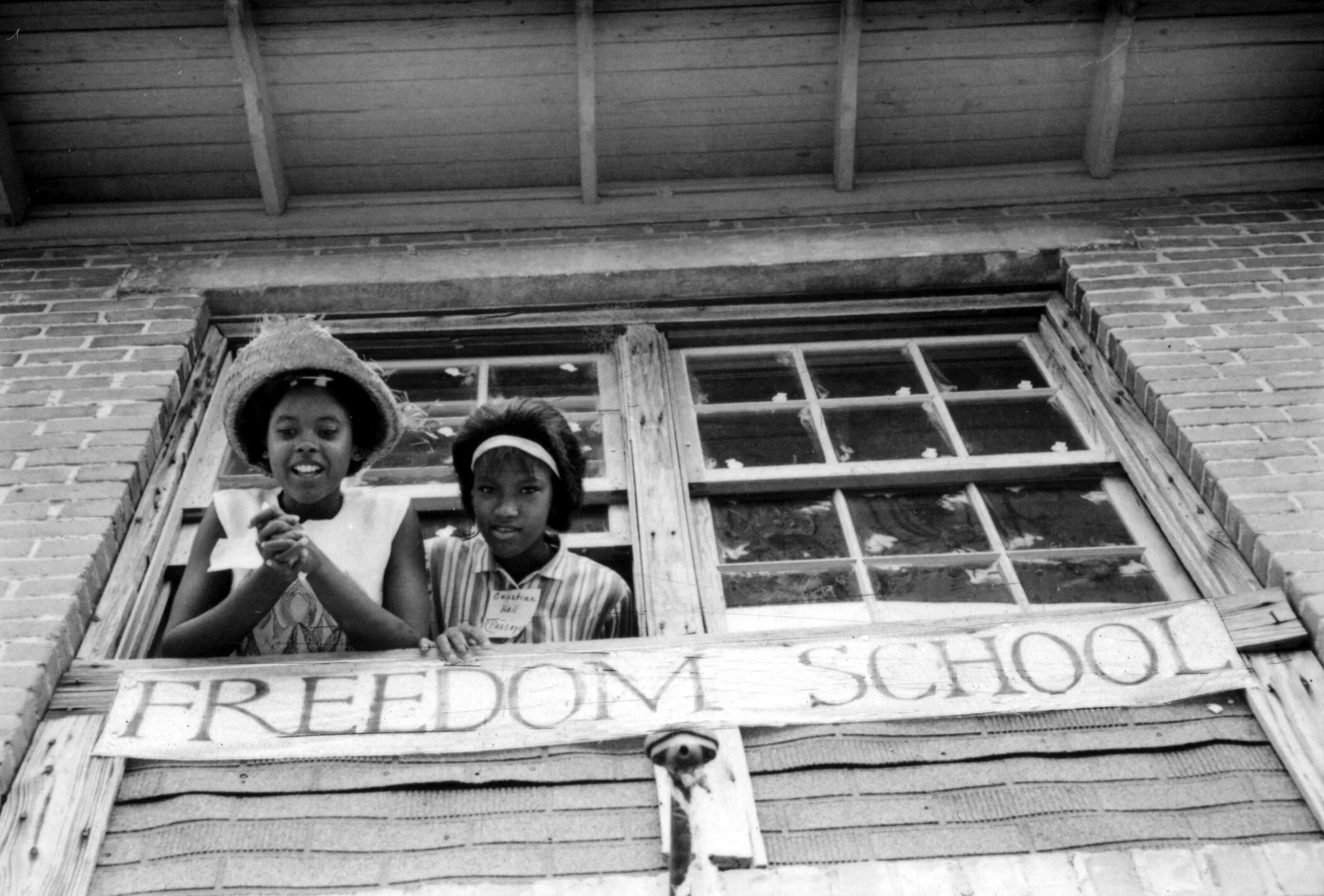
Two girls look out the window of a “Freedom School.” © Ken Thompson, United Methodist Board of Global Ministries
Our collective aims to use the Black Freedom School resistance strategies of the past to herald more liberatory futures for all of us, and build a transformative Black community in Wisconsin and beyond.
The University of Wisconsin-Madison has a Black student population of under 3%, and that number dropped in 2024. UW-Madison has the lowest Black student population in the Big Ten.
“The current average score on the ACT for Black students in MMSD is 14.8. If students score below 17 on their ACT, they are forced to take developmental courses in college. The courses would require the students to stay in school longer, lowering the amount of time working in higher paying roles due to the delay in graduating, and forcing them to take out additional loans for the longer time attending college.”

Support our growth
-

“The Saturday Freedom School provides a comprehensive and unique site to explore the experienced differences of “traditional” American history classrooms and classrooms specifically formulated to encourage Black life. Dr. Stovall’s research, accomplished teaching, and insightful commitment to community, positions her not only as a great researcher to take on the development of the SFS and development of UW–Madison’s relationship with the Madison community, but as the right researcher. I firmly believe the Saturday Freedom School as outlined by Dr. Stovall and The Center for Black Excellence and Culture will add measurable value to UW–Madison’s relationship with the Madison community and would propel my research as a PhD student.”
—Ziyen Curtis | Curriculum & Instruction Ph.D. and African American Studies M.A. student
-

“The Center for Black Excellence and Culture isn’t looking to be just a building. We want it to be a movement that showcases what happens when Black communities collectively dream and create spaces untouched by political erasure or cultural silencing. This is why we need to partner with organizations that will create programming that embodies this vision, and The SoulFolk Saturday School is an exemplary model. I have every confidence that The SoCo Saturday School will positively impact the Black community in Madison. As a community leader and advocate for racial equity, I understand the importance of culturally relevant education and mentorship for students who are navigating educational systems historically structured to limit their success. The SoulFolk Saturday School has designed a holistic model of mentorship and academic support that will not only improve academic and socio-emotional outcomes but also instill resistance and social responsibility. Combining community and elder wisdom with the resources of UW-Madison will create a sustainable pathway from high school to higher education for Black students.”
—Reverend Dr. Alex Gee | Founder and CEO, The Center for Black Excellence and Culture
-
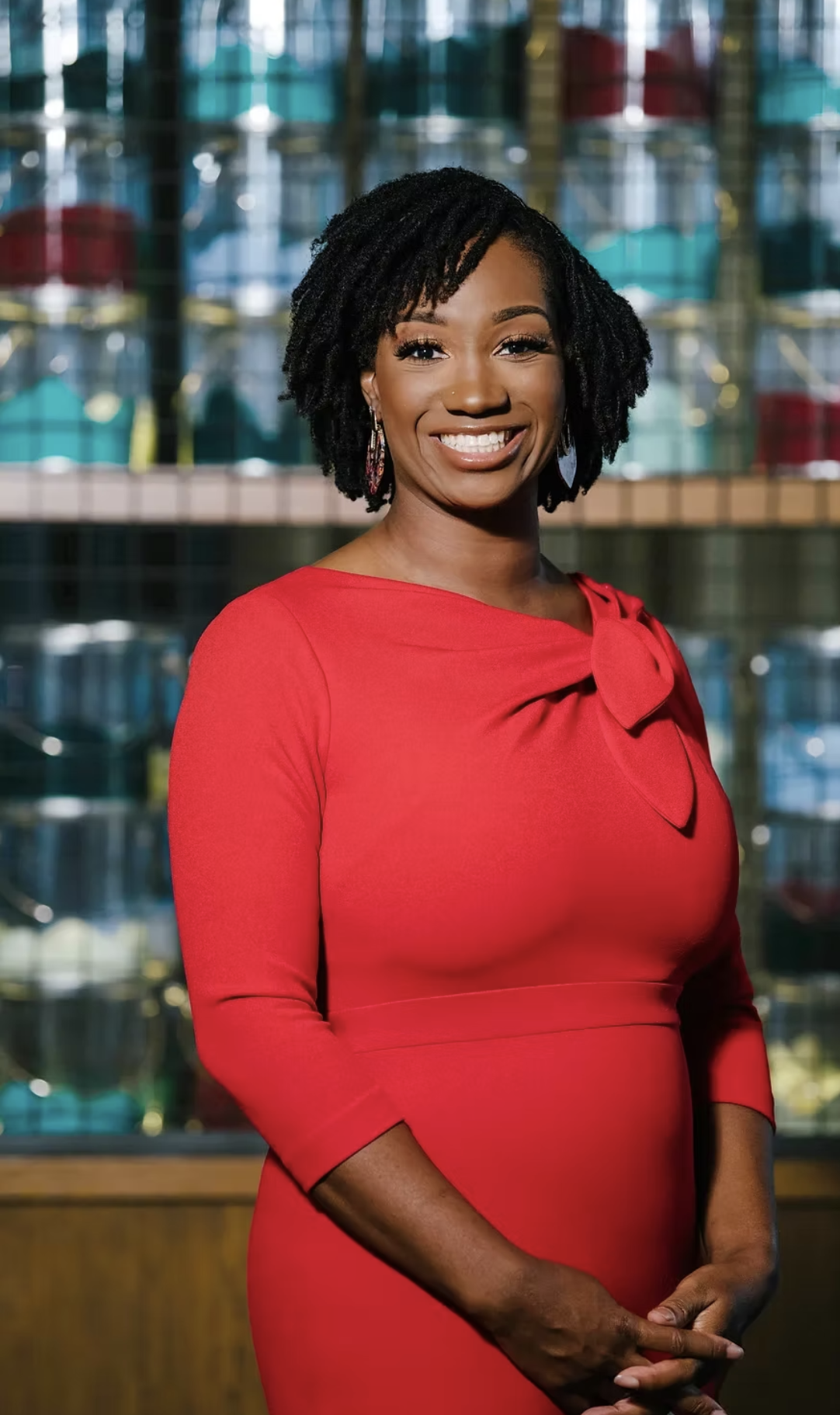
“As a member of the Madison-area community and an advocate for educational justice, I believe this proposal holds incredible promise for addressing the systemic challenges Black students face in Madison, and will help pave the way for long-term, transformational change. It is precisely the type of initiative that we need to address these educational gaps.”
—Rosa Thompson | Executive Director, Black Girl Magic Educational Services, Inc.